動態(tài)與案例
Innovative Instruction and Pedagogical Models in Smarter Classroom
Innovative Instruction and Pedagogical Models
in Smarter Classroom
Introduction
Applying technology effectively on education and instruction is one of the main topics which educators concern with enthusiasm. Also, for advancing the national competitiveness, listing integrating information with instruction as an essential policy, investing large amounts of fund in purchasing related software and equipment, stating information education white paper and proclaiming precise schedule of information education construction are efforts which almost every national government is exerting. Undoubtedly, the best way in returning on education investment is duplicating successful experiences directly from domestic and international investigations and applications of instructional technology. (Q. W. Wu, H. Y. Wang, Z. Z. Wu, Y. H. Chang, & C. Z. Han, 2011) Among those, “Smarter Classroom” is the most cutting edge design and application of all.
Smarter Classroom is a teaching-learning environment with information and communication technology (ICT) equipment settled according to the teaching needs. Hence, a digital classroom provides teachers intelligent instructional auxiliary of ICE with the core value of TEAM Model, is called “TEAM Model Smarter Classroom.” The TEAM Model Smarter Classroom could be constructed on the basis of the TEAM Model blueprint and the funding amount year-by-year and step-by-step. For example, settle basic devices such as computer, projector and interactive whiteboard at first. Secondly, introduce document camera, IRS (Interactive Response System) and ADAS (Automatic Diagnosing Analyzing Service) with minimized effort. Furthermore, build on-line scoring network, learning portfolio system, multi-port lecture capture system and remedial learning platform. (HaBook Inc., 2011) We will discuss the innovative instruction and pedagogical models of Smarter Classroom from the aspects of investment and conversion benefits, indicators of technological innovative instruction and introduction and practical examples in ordinary schools of TEAM Model Smarter Classroom.
緒論
讓科技有性能地應用于教育與教學上,是教育工作者最熱切關(guān)注的主要議題���,各國政府也將信息融入教學列為重要政策���,投入巨額經(jīng)費采購相關(guān)軟硬件設(shè)備���,制定信息教育白皮書���, 宣示信息教育建設(shè)的明確期程,無不為了提升國家教育競爭力���,而竭盡心力。當然���,研究國內(nèi)外教學科技的發(fā)展與應用經(jīng)驗���,直接復制成功的科技應用經(jīng)驗,是提高教育投資報酬率最好的方法(吳權(quán)威���、王緒溢、吳宗哲���、張奕華���、韓長澤���,2011)。 有鑒于此���,當前最先進的智慧教室(smarter classroom)���,乃運用而生���。
智慧教室是指根據(jù)老師的教學須求,設(shè)置各項資通信(ICT)設(shè)備���,達到兼具便利(convenience)���、智慧(intelligence)與性能(efficiency)的教學環(huán)境���。因此,以TEAM Model為核心的e化教室���,提供教學者ICE的智慧教學輔助,稱為“TEAM Model智慧教室”���。 質(zhì)言之���,TEAM Model智慧教室是根據(jù)TEAM Mode架構(gòu)來建置的教學環(huán)境,它可以根據(jù)這個藍圖與經(jīng)費多寡���,逐年���、分階段逐步建設(shè)完成。例如���,可以先有基礎(chǔ)的電腦���、投影機���、電子白板(interactive whiteboard)���,再導入實物提示機(document carera)���、 IRS即時反饋系統(tǒng)(interactive response system)���、自動化診斷分析服務(Automatic Diagnosing & Analyzing Service, ADAS)���,進一步則建置自動化網(wǎng)絡(luò)閱卷系統(tǒng)(On-line Scoring Network)���、學習歷程紀錄(learning portfolio)網(wǎng)站、多視端口錄制系統(tǒng)(multi-port lecture capture system) 與補救教學平臺等(網(wǎng)奕信息,2011)���。本文將從投資效益與改變效益���、創(chuàng)新教學評估指針���、TEAM Model智慧教室簡介與教學應用案例等層面���,論述智慧教室的創(chuàng)新教學與應用模式。
Benefits of Investment and Benefits of Converting
■ Benefits varies with Different Equipment InvestmentsIn Taiwan, most of the primary and secondary schools have been settled with computers and projectors. Teachers have already been applying the equipment on their instruction. With different kinds of devise configuration or different teaching methods and strategies, various e-classrooms are constructed. For example, multimedia classroom, future classroom, e-schoolbag and smarter classroom, etc.
Some of the classrooms mentioned above cost more than thirty thousand, but some of them only cost three to six thousand. The efficiency between different investments is varied. However, it is unnecessary for the efficiency being equal to the investing amount. A lot of elements could be influences on the efficiency of technology toward instruction. Besides equipment, the professionality of teachers, pedagogical models, instructional materials, course design and leaders’ management are also included in the elements. In order to get the maximum benefit, before investing in the instruction technology equipment, all of the elements should be carefully investigated.
投資效益與改變效益
■ 信息設(shè)備投資效益大不同在臺灣���,大多數(shù)中、小學的教室里,已經(jīng)建置了電腦和投影機設(shè)備���,而教師們也已經(jīng)開始把這些設(shè)備應用在教學上���。根據(jù)信息設(shè)備在教室配置的方式和內(nèi)容���,或者配合教學方法與策略的差異���,建置了各式各樣的e(信息化)化教室���,例如多媒體教室(multimedia classroom)���、未來教室(future classroom)���、 電子書包(e schoolbag)���、智慧教室(smarter classroom)等���。
上述枚舉的教室���,有些需要花費數(shù)百萬元���,有些只需花費一、二十萬元���,投資成本差異極大���,所發(fā)揮的效益也各有不同。有一點可以確定的是���,投入的成本越高���,其效益不一定就愈好?��?萍家诮虒W上發(fā)揮效果���,其影響因素很多���,除了設(shè)備之外,還包括教師專業(yè)���、教學方法、教材內(nèi)容���、課程設(shè)計與領(lǐng)導管理等。教學信息設(shè)備的投資���,必須整體考量,才能發(fā)揮最大的效益���。
■ Minor Changes, Great BenefitsIn accordance with the author’s plenty of experiences in instruction technology engineering and promoting innovational instruction, “minor changes, great benefits” is accordingly a proverb of introducing technology into traditional classrooms. “Minor changes” discloses that the efficient technology could assist teachers not to changing the ways of teaching greatly they used to. “Great benefits” implies the great reward of teaching and learning after teachers adopting instructional technology. Changing the ways of teaching, is very difficult to most of teachers, especially for those senior ones. Electronic school-bag, for instance, is a “major change” for many teachers. If major change only makes “minor benefits,” it would not succeed in promoting electronic school bag. That is the major reason why for the principal who is trying to promote the application of e-schoolbag that not easy to seek for suitable teachers to do the experiments.
E-classroom is the most common type of digital classrooms in the schools. Usually, the e-classrooms are only settled with a computer, a projector and basic multimedia equipment. Some of the classrooms, which are the most economical, might have interactive whiteboard, document camera or IRS. These e-classrooms could be transformed into Smarter Classrooms simply by installing applicable hardware and software. Through feature of ICE, Smarter Classroom could assist teachers in developing pedagogical intelligence and polishing students’ intelligence—by providing technological intelligence.
■ 小小改變���、大大效益根據(jù)筆者多年投入教學科技研發(fā)���,以及推廣科技創(chuàng)新教學的經(jīng)驗���,發(fā)現(xiàn)‘小小改變���、大大效益’是科技導入教室課堂最重要的八字箴言���。所謂小小改變,是指老師不需做大幅度的教學習慣改變,就能在課堂教學中應用便利的教學科技���。而大大效益,是指老師使用便利的教學科技之后���,能創(chuàng)造很大的教學和學習效果���。 改變習慣對任何人來說���,都是很困難的���,尤其是對具有專業(yè)素養(yǎng)的資深老師���,因為已經(jīng)習慣多年的教學模式���,要改變特別困難。例如���,在課堂中使用電子書包來教學���,對很多教師來講���,可說是‘大大改變’���,而若又只創(chuàng)造出‘小小效益’���,與八字箴言完全相反���,當然就不容易推廣成功���,教師們也就不愿意嘗試改變。 這就是為什麼實驗電子書包的班級���,校長必須絞盡腦汁���、三推四請才能邀請到教師來擔任實驗工作的原因���。班級e化教室是校園里最普遍的e化教室類型,這種教室通常只有一臺電腦和投影機等基本多媒體設(shè)備���,有些可能安裝了電子白板���、實物提示機或IRS即時反饋系統(tǒng)���。這是最為經(jīng)濟型的e化教室���。而在這種教室中,安裝適當?shù)挠布O(shè)備和軟件系統(tǒng)���,就可以變成智慧教室���,透過智慧教室的教學科技設(shè)備,發(fā)揮教師智慧、提供教學智慧與增強學生智慧���。
Three Criteria for Evaluating Technological Innovative Instruction
Education leaders are not necessarily being experts of instructional technology. By evaluating the achievement of technological innovative instruction based on the value of instructional practices, the leaders could lead education from the restraint of technology. The criteria for evaluating technological innovative instruction are called “ICE:” Intelligence, Convenience, and Efficiency (Figure 1.).
科技創(chuàng)新教學的三大評估指針
教育領(lǐng)導者不一定是教學科技專家���,但只要能從教學實用價值來評估科技創(chuàng)新教學的績效���,這樣就可以回歸到教育基本面與專業(yè)面,矯正以往‘教育服務科技’的錯誤科技應用模式���?��?萍紕?chuàng)新教學評估指針,可概分為三個面向:使用便利(convenience)���、展現(xiàn)性能(efficiency)、科技智慧(intelligence)���,簡稱為ICE���,如圖1所示���。
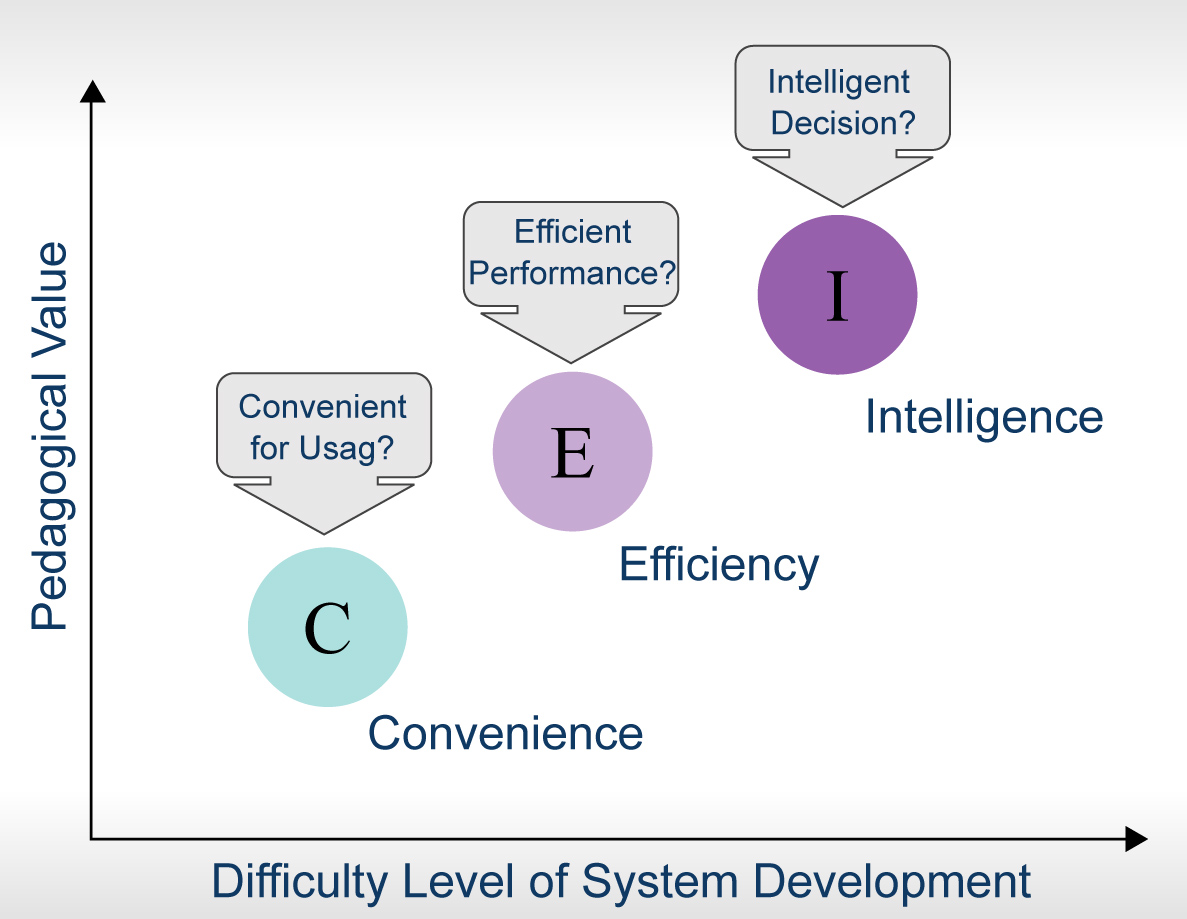
Figure 1. ICE: Three Criteria of Evaluating Technology
Innovative Instruction (Wu, et al., 2011)
■ Convenience
The criterion of “Convenience” is the easiest one to be evaluated.
“C” means each technological instruction equipment should be easy to be operated, less preparation and the user could use it with minimum training or technical knowledge.
■ 使用便利(convenience):
C這項指針是最容易評估的指針���,所謂便利是指教學科技輔具要具有操作難度低���、操作步驟少���、學習門檻低���、準備作業(yè)少等特性���,這是最容易觀察的指針。
■ Efficiency
Being the most difficult evaluated criterion, “Efficiency” is educators’ great expectation of applying technology to education. When applying technology to instruction and learning, instruction becomes more efficient; when applying technology to learning, students learn more in shorter time; when applying technological innovative teaching and strategies, the learning effect and quality would be raised. The best mode of technological innovative instruction could maximize the effect and efficiency.
■ 展現(xiàn)性能(efficiency):
E這項指針是最難評估的指針���,也是我們對科技應用于教育最重要的期望。在應用科技進行教學與學習時���,讓教學更有效率(使用科技輔助教學���,用較短的時間學會較多的內(nèi)容)���,或應用科技的創(chuàng)新教學方法與策略���,可以提升的學習成效或品質(zhì)���。能夠展現(xiàn)效率與發(fā)揮性能���,就是最好的科技創(chuàng)新教學模式���。
■ Intelligence
“Intelligence” is the criterion that technology must have. Via technology intelligence, teachers could aware of learning situation of students all the time. Via technology intelligence, students could get their own personal learning result report anytime. Most of all, via technology intelligence teachers could assist students in reinforcing the concepts students do not comprehend.
■ 科技智慧(intelligence):
I這項指針是科技最應該發(fā)揮的功能指針,在課堂教學中���,透過科技可以幫助教師,隨時掌握學生的學習情況���,就是科技智慧。透過科技���,可以幫助學生隨時獲得個人學習分析報告,這也是科技智慧���。另外,協(xié)助教師擬定學生輔導策略���,幫助學生補救落后的課堂教材內(nèi)容或觀念���,也是教學科技可以發(fā)揮的智慧功能���。
The designing philosophy of TEAM Model Smarter Classroom is on ICE to optimize the process of instruction, which convers: teaching, assessing, diagnosing and remediation, utilizing the advantages of technology. “TEAM” Model is from the abbreviation of e-Teaching, e-assEssing, e-diAgnosing and e-reMediation. It means not only to team up instruction related persons but also the integration of technology and processes. (Figure 2. & Figure 3.) That is to say, TEAM Model Smarter Classroom is designed to put the ideality of “Minor Changes, Great Benefits” into implement and lower the barriers and burdens when integrating technology into instruction.
TEAM Model智慧教室就是根據(jù)這套ICE哲學���,所設(shè)計的智慧型教學系統(tǒng),其核心理念是要實現(xiàn)教學���、評量、診斷���、補救等四大e化工程。身為一位教師,主要的教學工作包括四項進程:教學活動(教學)���、了解學生會不會(評量) ���、分析學生哪里學不會(診斷) ���、把學生不會的教會(補救)等四個教學進程。TEAM Model代表了e-Teaching(教學)���、e-assEssing(評量)���、e-diAgnoing(診斷)���、e-reMediation(補救) 等四個大寫字母組成���,代表團隊也代表系統(tǒng)整合(如圖2���,圖3)���。簡言之,TEAM Model智慧教室���,可以實現(xiàn) ‘小小改變���、大大效益’的理想���,降低推展信息融入教學的門檻與負擔���。
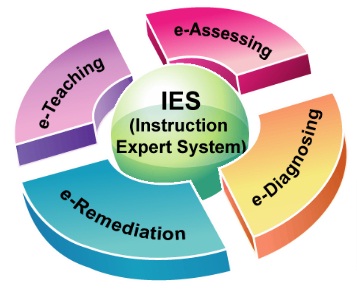
Figure 2. Operation of TEAM Model Smarter Classroom
(HaBook Inc., 2011)
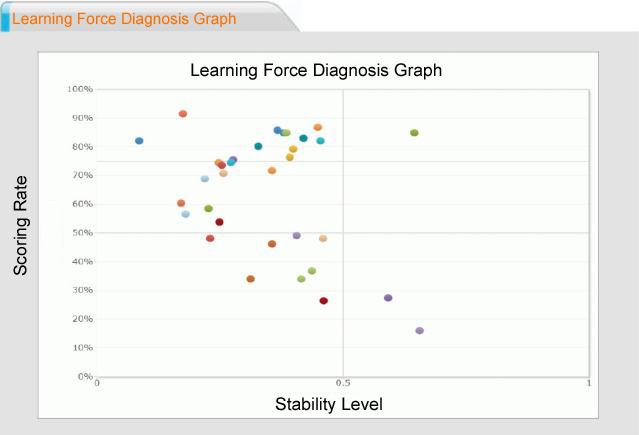
Figure 3. Learning Result Diagnosis of Students
(HaBook Inc., 2011)
Introduction and Practical Examples of Smarter Classroom
■ Introduction of TEAM Model Smarter ClassroomTaipei Municipal Shuang Yuan Primary School, a joyful and vigor school, is in Wan Hua District, Taipei. Being led by Principle He, Fang-Xi, the integration of information and instruction is steady developing in the school. Through industry-academy collaboration, HaBook Information Technology Inc., expert of deploying successful educational technology application, got the opportunity of introducing the TEAM Model Smarter Classroom into 4th class of 6th grade. The hardware in the classroom includes HaBoard (IWB), ezVision (document camera) and IRS, which are automatically consolidates by a software, Hiteach. HiTeach eases the way teachers control the technological devices. Moreover, through internet, HiTeach could connect with the educational cloud computing service, ADAS (Automatically Diagnosing and Analyzing System), to diagnose students’ learning results instantly while they are doing the assessment activities.
智慧教室簡介與教學應用案例
■ TEAM Model智慧教室簡介臺北市立雙園國小位于臺北市萬華區(qū)���,是一所充滿快樂���、活力的優(yōu)質(zhì)學校,在何校長芳錫帶領(lǐng)下���,信息融入教學在校園內(nèi)逐步生根發(fā)展���。透過產(chǎn)學合作,長期投入教學科技研發(fā)的網(wǎng)奕信息技術(shù)公司���,基于教育公益,捐贈自行研發(fā)的軟硬件設(shè)備���,將六年四班打造成為TEAM Model智慧教室���,其主要硬件設(shè)備有Haboard交互電子白板���、ezVision實物提示機���、IRS即時反饋系統(tǒng)等, 軟件系統(tǒng)采用HiTeach交互教學系統(tǒng)���,這套系統(tǒng)能自動整合前述三種硬件���,讓上課教師可以輕松操控這三種教學科技設(shè)備。另外���,HiTeach也能自動鏈接教育云端服務系統(tǒng)ADAS(自動化診斷分析系統(tǒng))���,在教室進行評量活動時,即時提供學習診斷分析服務���。
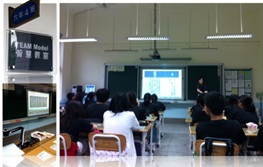
Figure 4. Scene of the TEAM Model Smarter Classroom,
4th Class, 6th Grade of Shuang Yuan Primary School
■ Examples of the Application of Smarter Classroom
Example 1: Instruction of Sentence-composing in the Language Art CourseIn the Smarter Classroom, it is easy for teachers to develop innovative instruction from the original one through the integrating character of technology. Composing sentences, for instance, teachers used to teaching in such process: giving examples and explaining, separating students into groups for composing sentence and getting group works, in the end, discussing and modifying each group’s answer. Through applying the process to the hardware and software of Smarter Classroom, a teaching flow could be carried out as shown in figure 5.
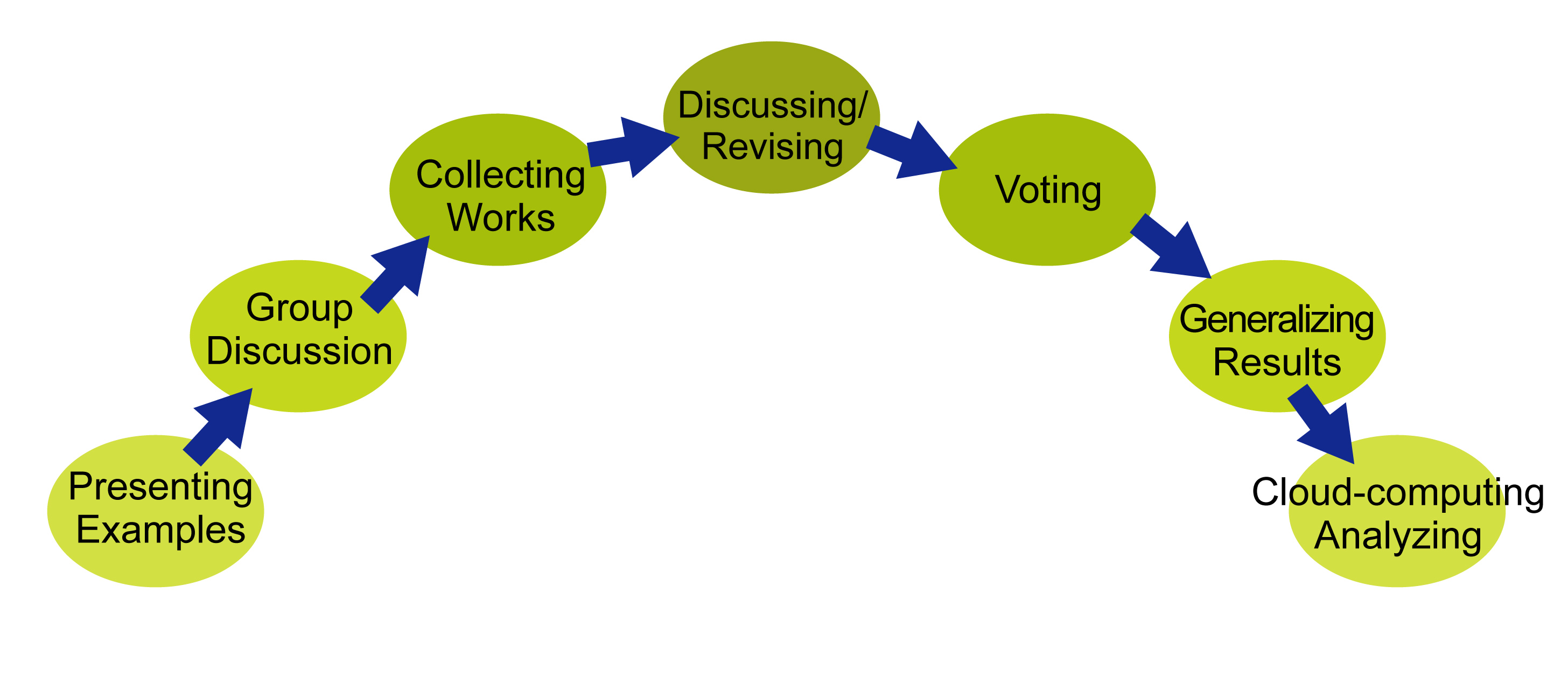
Figure 5. Teaching flow of Composing Sentences of the Language Art
Course in the Smarter Classroom of Shuang Yuan Primary School
■ 智慧教室教學應用案例
案例一:語文課之造句教學在智慧教室中���,整合教學科技���,很容易發(fā)展出以原來教學策略為主的創(chuàng)新教學模式���。例如造句教學,例句/范例解說���、分組討論���、歸納結(jié)果是教師們經(jīng)常應用的模式���,而結(jié)合實物提示機���、交互電子白板���、IRS即時反饋系統(tǒng),以及HiTeach交互教學系統(tǒng)���,就可以實現(xiàn)如圖5的教學運作模式���。
First, pressing on the document camera button on IWB, the teacher has the students alternately place each group’s work under the document camera and presses the buttons on the screen. With repeating the two steps, all of the group works could be shown instantly on the IWB at the same time. Next, the teacher and the students have discussion and modification on the IWB. After the discussion, the teacher presses the voting button for students to vote on the best sentence they think. According to the voting result, the teacher could generalize the result. Last but not least, the teacher prepare some questions to estimate how much do students comprehend with the lesson and send the results to the cloud computing service to analyze students’ learning efficacy. Figure 6. is the scene of the sentence-composing instruction in Smarter Classroom in Shuang Yuan Primary School
教師在電子白板的硬件按鈕按一下實物提示機鈕,接著讓學生把作品放到實物提示機鏡頭下���,教師在電子白板上點擊畫面上的按鈕���,重復這兩個步驟,教師可以立即匯整六個小組討論的結(jié)果���,接著教師和學生就可以在電子白板上進行討論,以及修改句子���,教師按下投票鈕,學生根據(jù)自己的評鑒能力,投票選出最佳的句子���,然后由教師來歸納結(jié)果。 最后���,教師可以準備幾個題目來評量學生的理解程度,并將評量結(jié)果發(fā)送到云端服務系統(tǒng)���,分析學習成效。圖6是雙園國小智慧教室造句教學實景���。
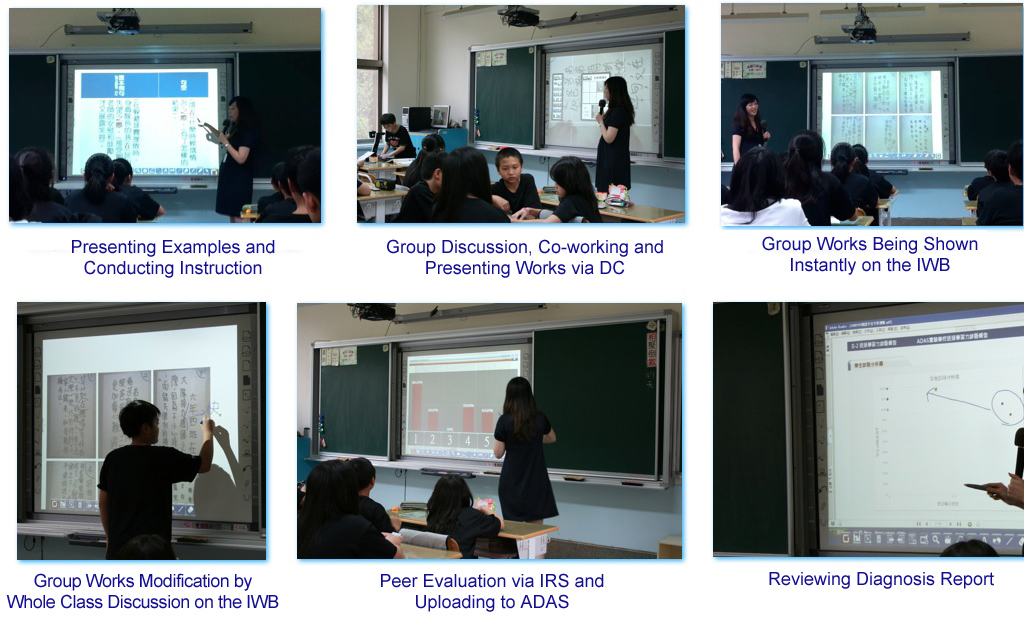
Figure 6. Scene of the sentence-composing instruction
in Smarter Classroom in Shuang Yuan Primary School
Via group discussion and competition, the sentences that students compose become longer and their sentences-composing abilities are also polished. Figure 7 is the record of sentences-composing instruction process. The document camera automatically gathers the works of six groups, and the discussion on the IWB is also preserved.
透過這種分組討論與競賽模式���,學生造的句子變長了���,造句能力也進步了���,圖7是造句教學歷程紀錄,實物提示機自動匯整六組同學的作品���,而在電子白板討論的結(jié)果也自動保存下來。
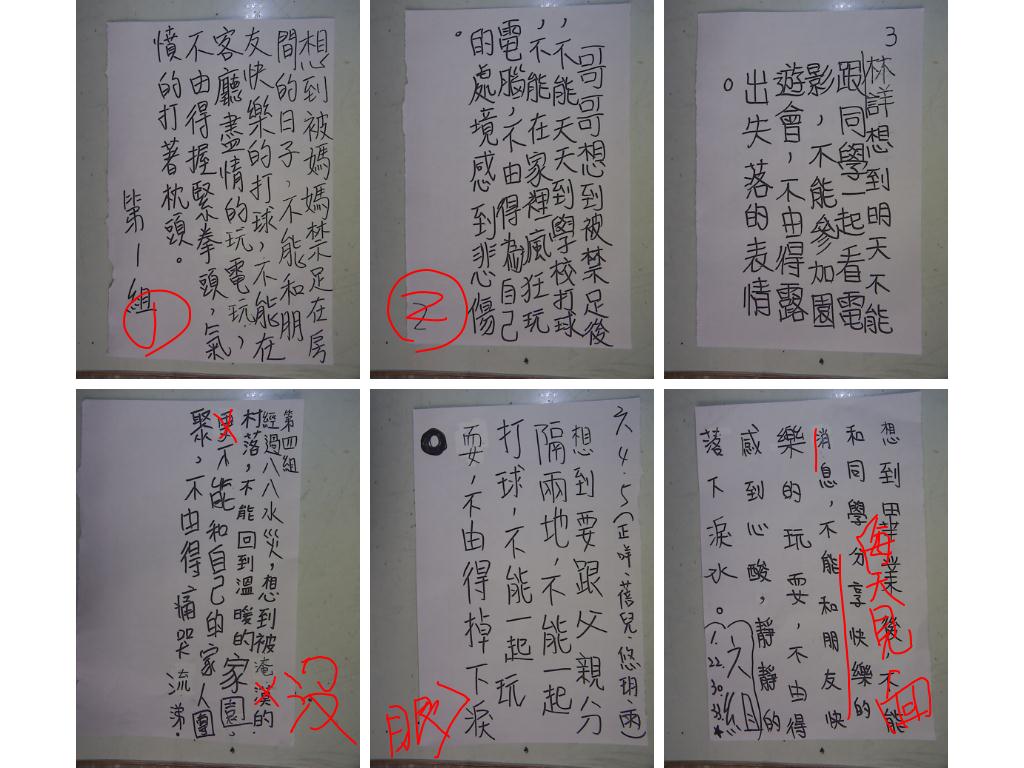
Figure 7. The Record of Sentences-composing Instruction
Process in Smarter Classroom in Shuang Yuan Primary School
Example 2: Calligraphy Lesson of Language Art CourseSlightly revising the model of example 1, teachers could apply the model to the calligraphy lesson. Through document camera and IRS voting system, students select the best work from each group, and each group’s best will have a competition. (Figure 8.) The strategies of peer evaluation and group competition not only make students be more conscientious about their work, but improve students’ abilities of appreciation and evaluation.
案例二:語文課之書法教學把案例一的應用模式稍作修改���,就能應用到書法教學���,應用實物提示機和IRS的自動化功能,先票選出各組最佳代表作品���,然后再讓各組作品來一場PK賽,歷程紀錄如圖8���。透過互評、競賽���,學生不但更認真創(chuàng)作每一個字���、每一件作品,也借由這個模式精進學生之賞析和評鑒能力���。
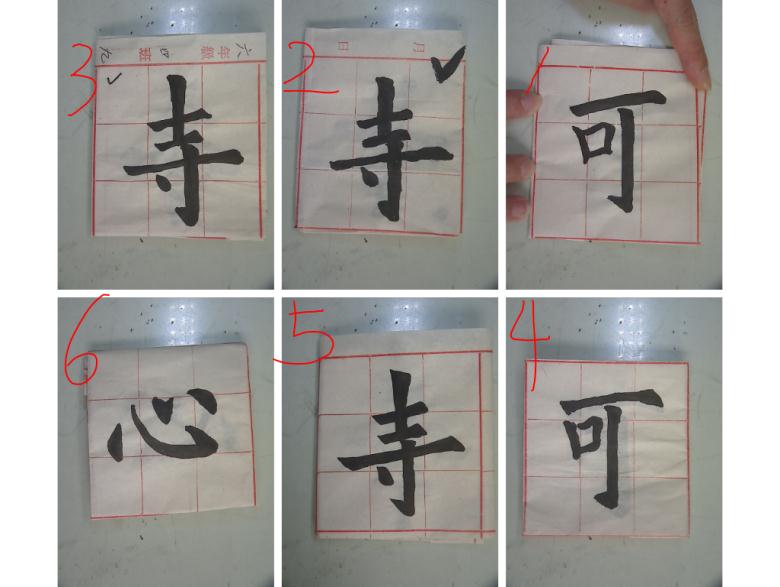
Figure 8. Records of Calligraphy Lesson
Teaching Process in Smarter Classroom
Example 3: Problems Solving of Mathematic CourseThe main purpose of mathematic course is to cultivate students' abilities of solving math problems. By the integration of document camera and IWB, it is easier for the teacher to discuss different kinds of problem solving solutions simultaneously. Figure 9 shows four students’ different solutions for the same math question. Via this mode, students could get the chances to think deeper and then improve their problem solving abilities.
案例三:數(shù)學課之解題教學發(fā)展多元解題能力���,是數(shù)學課的重要教學工作���。利用實物提示機和電子白板的整合應用,更容易討論同學們的各種解題方式���,如圖9。圖9顯示四位同學在同一個題目的正確答案���,但解法不一樣���。透過這種模式,可以讓學生多一些思考���、增進解題能力���。
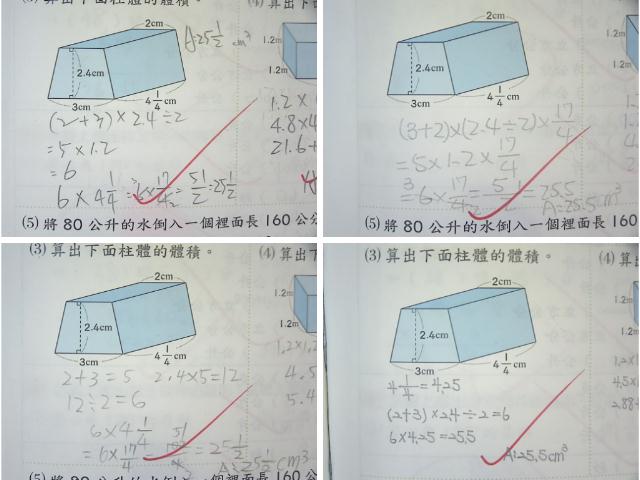
Figure 9. Record of Math Problem Solving Solutions
of Mathematic Class in Smarter Classroom
Conclusion
“Teaching method is the key point, technology is only catalyst.” According to related researches, instructional technology could make the quality of teaching and effect of learning more significant. Nevertheless, it is not inevitable for the teaching quality and learning effect being promoted even if schools introducing all the latest teaching technology into classrooms. In other words, introducing technology into classroom might be helpful or not. The key to success includes: Whether technology is used in a proper way? Do teachers use accurate teaching methods and strategies? Technology is only catalyst, especially in the field of education because the method and strategies teachers use are key points to elevate instruction quality. The research team of Dr. Eric Mazur, a physics professor of Harvard University who has been studying “peer instruction” for more than ten years, indicates in their report that as it for the users of interactive response system and tradit ional Flashcard, the learning effects are not distinct. However, there are many benefits of using interactive response system, including the instant feedback of students, preservation of students’ feedback records and enabling teachers to focus on the concept instruction, etc. (Lasry, 2006) “Developing teachers’ intelligence, providing instructional intelligence and polishing students’ intelligence” is the value of Smarter Classroom. In accomplishing the value, instructional technology product with high integrating ability is essential. The product of instructional technology must be able to give assistance to teaching methods and strategies. In short, products which could accomplish the idea “technology serves education, instruction and learning” are the most ideal ones.
結(jié)語
“教學方法與策略才是關(guān)鍵���,科技只是觸媒”,相關(guān)研究顯示���,教學科技輔具的確可以增進教學品質(zhì)���,提高學生學習成效���。但是���,我們都知道���,把所有最新進的教學科技輔具都安裝到教室中���,也不能保證教學品質(zhì)一定可以獲得提升���,更不一定能幫助學生獲得較佳的學習成效。換句話說���,科技導入教室中,可能有幫助���,也可能沒有助益���,成敗的關(guān)鍵因素包括是否正確使用科技���?教師是否采取對的教學方法與策略���?科技只是觸媒���,特別是在教育領(lǐng)域的應用���,教師們所采取的教學方法與策略,才是提升教學品質(zhì)最重要的關(guān)鍵���。 研究同儕教學法(peer instruction)十多年的哈佛大學物理系教授Eric Mazur���,其研究團隊在最新的研究結(jié)果指出���,對學習者來說���,使用IRS即時反饋系統(tǒng)或使用傳統(tǒng)的Flashcard���,其學習成效并沒有顯著的差異,但是對教學者來說���,使用IRS確實有諸多好處���,包括立即獲得學生的回饋信息、可以保存學生的反饋數(shù)據(jù)���、讓教師更聚焦於概念的教學等 (Lasry, 2006)。 “發(fā)揮老師智慧���、提供教學智慧���、增強學生智慧”是智慧教室應該提供的價值���,而實現(xiàn)這項價值���,必須仰賴整合性很高的教學科技產(chǎn)品���。教學科技產(chǎn)品必須協(xié)助教學方法與策略為依歸���,能實現(xiàn)“科技服務教育���、科技服務教學、科技服務學習”理念的產(chǎn)品���,才是最理想的教學科技產(chǎn)品。
References
HaBook. (2011). TEAM Model Smarter Classroom. Retrieved May 30, 2011 from http://www.habook.com.tw/eteaching/habook_epaper/2011/20110428_ Smarter_classroom/20110428_Smarter_classroom.htm
Lasry, N. (2006). Clickers or flashcards: Is there really a difference?Retrieved May 30, 2011, from http://www.cdc.qc.ca/parea/786630_lasry_john_abbott_article_
ENG_PAREA_2006.pdf
Wu, Quan-Wei, Wang, Xu-Yi, Wu, Zong-Che, Zhang, Yi-Hua, & Han, Chang-Ze. (2011). Instructional Technology and Innovative Teaching: Theory and Cases Taipei City: HaBook.
參考文獻
網(wǎng)奕信息 (2011)���,TEAM Model智慧教室電子報 ���,
取自http://www.habook.com.tw/eteaching/habook_epaper/2011/20110428_
Smarter_classroom/20110428_Smarter_classroom.htm
Lasry, N. (2006). Clickers or flashcards: Is there really a difference?Retrieved May 30, 2011, from http://www.cdc.qc.ca/parea/786630_lasry_john_abbott_article_
ENG_PAREA_2006.pdf
吳權(quán)威���、王緒溢���、吳宗哲���、張奕華���、韓長澤 (2011)���,教學科技與創(chuàng)新教學:理論與案例 ���,網(wǎng)奕信息出版